Exploring the Tonto Trail in the Grand Canyon offers a distinctive experience for adventurers seeking both beauty and challenge. It runs approximately 70 miles along the expansive Tonto Platform, providing panoramic views of the canyon’s rugged landscape. This trail is less crowded than other popular trails, making it ideal for those desiring solitude and a deeper connection with nature.
As you traverse the Tonto Trail, you’ll encounter a series of connecting trails such as the Bright Angel and South Kaibab. These intersections allow flexibility in planning your hike, offering multiple points of access to the Grand Canyon’s stunning vistas. The trail’s unique position gives travelers a rare opportunity to witness the canyon’s diverse geological formations and desert wildlife.
The Tonto Trail is best suited for experienced hikers due to its remote and challenging terrain. Proper preparation is essential, including understanding the seasonal weather patterns and obtaining necessary permits. With the promise of breathtaking landscapes and an unforgettable journey, hiking the Tonto Trail is an extraordinary adventure waiting for you.
Key Takeaways
- The Tonto Trail offers a less crowded hiking experience.
- The trail provides access to stunning geological formations.
- Suitable for experienced hikers with proper preparation.
History of Tonto Trail
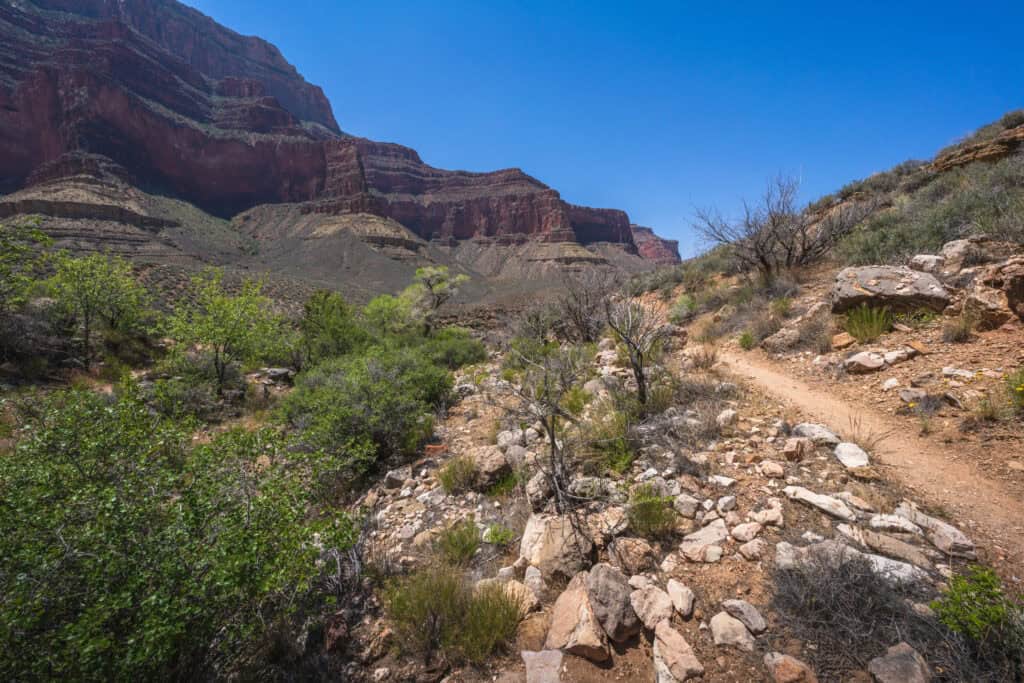
The Tonto Trail in the Grand Canyon carries a rich history that spans Native American heritage, exploration and settlement by pioneers, and its eventual development as a hiking trail. This history reflects the trail’s significance and unique role in connecting various parts of the Grand Canyon.
Native American Heritage
Native American communities have long interacted with the lands surrounding the Tonto Trail. The Hualapai, Havasupai, and other Indigenous tribes utilized this region for hunting, gathering, and spiritual purposes. Artifacts such as pottery shards and stone tools found along the trail suggest its use as a route for trade and travel. The trail also provided access to water sources and plant materials essential for their daily life. It serves as a testament to the resilience and adaptability of the Indigenous cultures that thrived in the harsh environment of the Grand Canyon.
Exploration and Settlement
European exploration in the 19th century brought a new dimension to the history of the Tonto Trail. Explorers and settlers, driven by a quest for resources, began mapping the canyon’s intricate network of trails. John Wesley Powell’s famous expeditions in the late 1800s highlighted the Grand Canyon’s vast landscapes, with paths like the Tonto Trail gaining interest for their potential uses. Throughout this period, the trail was used by miners and settlers who sought to access mineral resources and establish communities. This era of exploration marks the start of the trail’s evolution from Indigenous route to a component of broader explorative expeditions.
Trail Development
In the 20th century, the Tonto Trail began to be recognized for its recreational potential. The National Park Service undertook significant efforts to maintain and map the trail, allowing for a balance between preserving its history and accommodating increasing numbers of hikers. The trail, running roughly 95 miles along the Tonto Platform, became a popular choice for its moderate elevation changes and stunning views. While much of it remains unmaintained to preserve its natural state, sections such as those between Grandview and Bright Angel are frequently traversed and well-documented. Trail development efforts continue today, focusing on conservation and responsible tourism practices.
Hiking the Tonto Trail
The Tonto Trail in the Grand Canyon offers a diverse hiking experience with various routes, levels of difficulty, and essential safety precautions. Understanding these aspects will help you prepare for a rewarding adventure.
Trail Routes
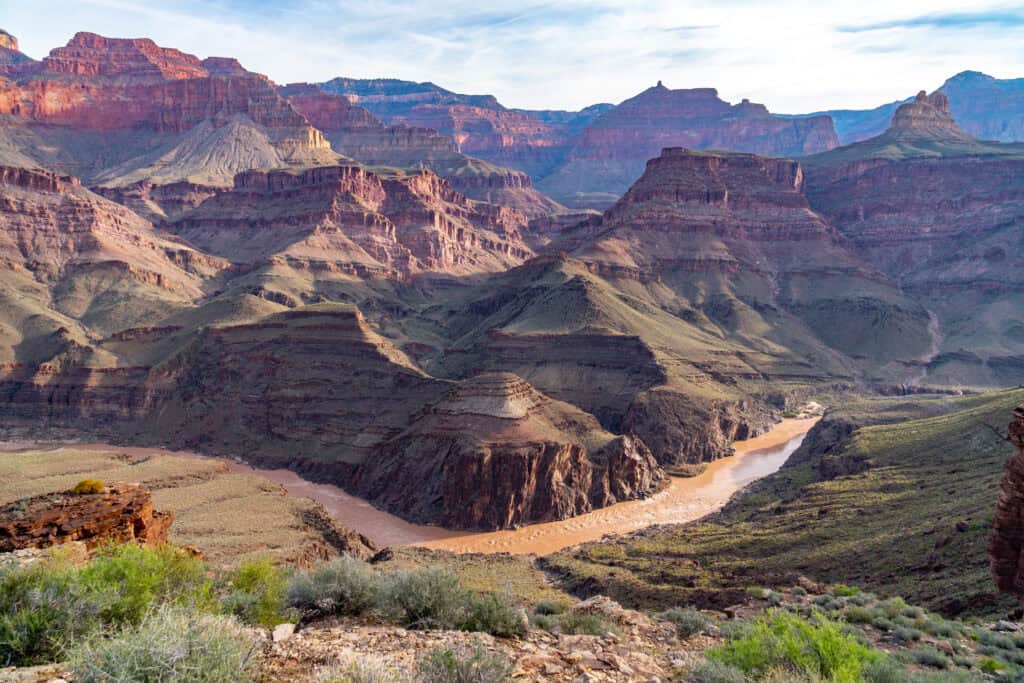
The Tonto Trail runs parallel to the Colorado River and connects several famous trails within the Grand Canyon. It spans from the South Kaibab Trail to the Bright Angel Trail, covering approximately 70 miles. Popular sections include the Grandview to Bright Angel route, which is noted for its scenic vistas. Each section offers unique views and provides opportunities for camping in side drainages, making it crucial to plan your journey based on your available time and preference.
Difficulty Levels
Hiking the Tonto Trail is generally considered challenging. The trail is mostly unmarked, requiring navigation skills. Some sections, like the South Kaibab to Tonto Trail, are strenuous and recommended for experienced hikers. The trail’s condition can vary, with rocky and uneven surfaces, increasing the difficulty for less experienced adventurers. You’ll need to assess your fitness level and experience when choosing which sections to hike, ensuring you’re prepared for the physical demands of the trail.
Safety Tips
Safety is paramount on the Tonto Trail. Water sources are limited, so carry enough water or have a reliable filtration method. Check with the Backcountry Office for recent water availability reports. Hiking in cooler months can reduce the risk of heat-related illnesses but still requires careful planning. Always inform someone of your itinerary and expected return. Be mindful of weather changes and have proper gear for sudden conditions. Finally, avoid hiking alone whenever possible to enhance safety and support on this demanding trail.
Geography and Geology
The Tonto Trail offers a fascinating exploration of the Grand Canyon’s unique rock formations and geological processes. As you traverse its length, you’ll encounter a variety of habitats shaped by erosion and weathering, each hosting diverse wildlife species.
Rock Formations
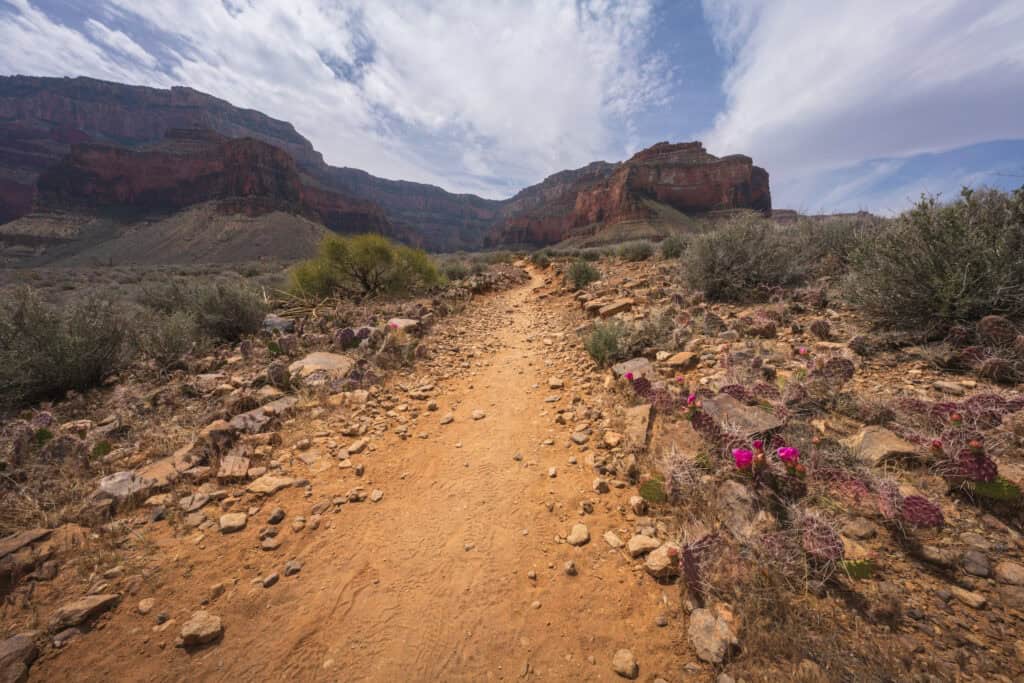
The Tonto Trail sits along a ledge known as the Tonto Platform. This area is characterized by sedimentary rock layers such as shale, limestone, and sandstone. You’ll see the ancient Vishnu Schist at the canyon’s depths, one of the oldest rock formations in the area, showcasing around two billion years of geological history. These layers provide insight into the canyon’s formation through plate tectonics and erosion. Exploring these formations allows you to understand the Grand Canyon’s immense geological past.
Erosion and Weathering
Erosion and weathering play critical roles in shaping the Tonto Trail’s landscape. Seasonal rainwater and the Colorado River contribute to the gradual erosion of the canyon walls, a process that has been ongoing for millions of years. The trail’s mostly level path follows the contours of the eroded Tonto Platform, allowing you to observe these natural processes up close. Weathering further breaks down rock surfaces, creating unique textures and colors visible throughout your hike.
Wildlife Habitats
The diverse habitats along the Tonto Trail are home to various plant and animal species. The riparian zones near water sources support lush vegetation, attracting wildlife such as mule deer, bighorn sheep, and various bird species. You might also encounter reptiles like the collared lizard basking in the sun on rocky outcrops. Each habitat adapts to the harsh desert environment, providing sustenance and shelter for the canyon’s inhabitants. Observing these habitats enriches your understanding of the delicate balance within this rugged ecosystem.
Permit Process
Obtaining a permit for hiking the Tonto Trail in the Grand Canyon is essential for planning your trip. Understanding the application procedure and adhering to visitation rules ensures a smooth and enjoyable experience.
Application Procedure
To start your journey on the Tonto Trail, you need a backcountry permit. Applications can be made up to four months in advance via Recreation.gov. The process involves filling out a form indicating your desired campsites and trip dates. It’s crucial to be flexible with your scheduling due to the high demand for permits.
Submitting your application early increases your chances of securing a permit. If your initial request is not successful, the park offers a limited number of last-minute walk-in permits. Being prepared with alternate plans and dates can help you adapt if your first choice is unavailable. Keep in mind that fees apply to all permit applications and are non-refundable.
Visitation Rules
While exploring the Tonto Trail, you must adhere to specific visitation rules set by the park to protect the environment and ensure safety. Camping is only allowed at designated sites, and nighttime use of the Bright Angel, South Kaibab, and North Kaibab trails requires a backcountry permit.
Respecting wildlife and maintaining a minimal impact on the natural setting is crucial. Campfires are prohibited for safety and environmental preservation, so plan to use portable stoves for cooking. Additionally, pack out all trash to keep the trail pristine. Check for any trail closures or hazard warnings before your trip to stay updated on any environmental changes affecting your plans.
Camping Guidelines
When camping along the Tonto Trail in the Grand Canyon, it’s important to follow specific guidelines to ensure a safe and enjoyable experience.
Permits: You must obtain a backcountry permit to camp anywhere below the rim. Be sure to apply for your permit well in advance, as they are limited and in high demand.
Water sources are scarce on the Tonto Trail, so plan your trip carefully. Always check for the latest water source reports from the Backcountry Office before your hike.
Leave No Trace: Adhere to the Leave No Trace principles to protect the natural environment. Pack out all your trash, and minimize your campsite impact.
Campsites: Utilize existing campsites in side drainages whenever possible. These sites help minimize environmental impact, and many offer scenic views and a degree of privacy.
Use bear canisters or hang your food and scented items to protect them from wildlife. This is essential for your safety and the well-being of the park’s animals.
Fires: Campfires are prohibited. Use a portable stove for cooking to preserve wood resources and prevent accidental wildfires.
Plan for varying weather conditions. The weather can change rapidly, so bring layers for warmth, rain gear, and sun protection. This ensures you stay comfortable and safe throughout your camping adventure.
Conservation Efforts
Conservation efforts along the Tonto Trail focus on habitat restoration and managing the impact of visitors. Both initiatives aim to preserve the natural beauty and ecological diversity of the Grand Canyon.
Habitat Restoration
Habitat restoration is crucial for preserving the ecological balance of the Grand Canyon. Efforts include replanting native vegetation to replace invasive species, which threaten local flora and fauna. Volunteers and organizations collaborate to clear invasive plants, allowing native species to thrive. This work not only supports the wildlife but also prevents soil erosion, maintaining the trail’s integrity.
Restoration projects also focus on rehabilitating areas damaged by foot traffic and natural events. By fencing off certain sections, these areas can naturally recover. Educational programs raise awareness about the importance of protecting native habitats, encouraging responsible behavior from visitors.
Visitor Impact Management
Managing visitor impact is vital to conserving the Tonto Trail. Strategies include developing clear signage and designated paths to prevent hikers from straying into sensitive areas. Trail maintenance crews regularly assess and repair sections that experience high foot traffic. This reduces environmental damage and ensures safety.
The implementation of permit systems limits the number of visitors at any given time. This helps to control congestion and minimize wear on the trail. Educational campaigns are also essential, teaching visitors about responsible hiking practices, such as packing out trash and respecting wildlife. These efforts collectively aim to balance recreational use with preservation.
Seasonal Variations
Exploring the Tonto Trail in the Grand Canyon requires awareness of the seasonal weather changes. Understanding these variations can help you plan your trip effectively, ensuring safety and enjoyment.
Weather Conditions
The Tonto Trail sees distinct seasonal weather patterns. In the summer, temperatures can soar above 100°F (38°C), making midday hikes challenging. It’s crucial to carry ample water and wear sun protection. Winters, in contrast, are milder, with temperatures ranging from 40°F to 60°F (4°C to 15°C). However, nighttime temperatures can drop below freezing, so be prepared for cold conditions. Spring and fall offer moderate temperatures, but unpredictable weather is possible. Always check local forecasts before embarking on your hike.
Best Times to Visit
The ideal times for hiking the Tonto Trail are during the spring (March to May) and fall (September to November). These months provide milder temperatures, which are more comfortable for long hikes. The spring also brings blooming wildflowers and varied scenery, enhancing the visual experience. Fall offers changing foliage and fewer crowds. Avoid summer months due to intense heat and potential heat-related risks. During winter, consider shorter hikes to avoid the coldest conditions and ensure road accessibility, which can be affected by snow at higher elevations. Proper planning during these favorable periods can greatly enhance your experience.
Photography and Sightseeing
Tonto Trail in the Grand Canyon offers remarkable opportunities for photography and sightseeing. Among the most striking features are the panoramic views below the rim. These vistas allow you to capture the immense scale of the canyon, making for unique and breathtaking photographs.
Key Spots for Photography:
- Plateau Point: A notable spur leads to this viewpoint, providing stunning views of the Colorado River.
- South Kaibab Trail: This trail intersects with Tonto Trail and offers excellent vantage points for wide-angle shots.
Carrying a tripod can enhance your shots in low-light conditions, especially during sunsets or early morning hours. When setting up your equipment, ensure you maintain a safe distance from any exposed edges.
To maximize your sightseeing experience, consider timing your visit to coincide with the golden hour. The softer, warm light at sunrise or sunset can create dramatic shadows and highlights, enhancing the natural beauty of the canyon.
You should wear comfortable hiking boots to navigate the varied terrain safely. Exploring different stretches of Tonto Trail can offer diverse perspectives of the canyon’s formations and layers, making each photographic outing unique.
Remember to bring enough water and snacks to keep your energy up during your exploration. Respect the natural environment and follow park guidelines to help preserve the area’s stunning beauty for future visitors.
Frequently Asked Questions
Exploring the Tonto Trail offers unique challenges and requires careful planning. You might wonder about the time it takes to complete, necessary permits, hazards, water sources, elevation changes, and how its difficulty compares to other trails.
How long does it take to hike the Tonto Trail from Bright Angel to South Kaibab?
The Tonto Trail between Bright Angel and South Kaibab spans approximately 13.2 miles. Depending on your experience and pace, this segment can take 6 to 8 hours to complete. It’s important to factor in breaks and navigation challenges as you plan your hike.
What permits are required for camping along the Tonto Trail in the Grand Canyon?
Camping along the Tonto Trail requires a backcountry permit. You must apply in advance through the Grand Canyon National Park. Permits are issued based on availability, prioritizing safety and environmental preservation, so early application is recommended.
What are the main hazards to be aware of when hiking the Tonto Trail?
Key hazards on the Tonto Trail include extreme temperatures, lack of shade, and rugged terrain. It’s crucial to be prepared for potential dehydration and navigation difficulties, especially since some parts of the trail are unmaintained. Familiarize yourself with the route to mitigate risks.
Can you provide details on the Tonto Trail’s water sources and their reliability?
Water along the Tonto Trail is scarce and should not be relied upon. While seasonal streams might occur, they are unpredictable, so carry enough water for your entire hike. Check the Tonto Trail map for potential water locations, but always treat or filter if obtained.
What are the elevation changes encountered along the Tonto Trail?
The Tonto Trail generally follows a level route but features moderate elevation changes as it crosses various side canyons. These can add up over long distances. Be prepared for these fluctuations, especially if you’re connecting with trails like Bright Angel or Hermit Trail.
How does the difficulty of the Tonto Trail compare to that of the Hermit Trail?
The Tonto Trail is generally considered moderately difficult due to its length and lack of amenities. In comparison, the Hermit Trail is steeper and more demanding but may offer more distinct trail segments. Your experience level will influence how you perceive the difficulty of each trail.