The South Kaibab Trail in Grand Canyon National Park offers adventurers a unique opportunity to experience the awe-inspiring beauty of the canyon’s ridgelines. This trail is renowned for its panoramic views and offers the most direct route to the Colorado River. It is a steep and strenuous path that rewards hikers with breathtaking vistas at every turn. Prepare for an unforgettable journey as you navigate one of the Grand Canyon’s most iconic trails.
As you plan your trek, it’s essential to consider the logistics and challenges of the hike. This trail is accessible only by shuttle, and there is no water available along the way. Proper preparation includes packing sufficient water, snacks, and sun protection. Knowing the best times to start your hike can enhance your experience on this adventure.
Whether you’re an experienced hiker or a curious explorer, the South Kaibab Trail promises an exhilarating adventure through one of the natural wonders of the world. Capturing the splendor of the canyon’s features with your camera can be one of the many enriching experiences this trail has to offer.
Key Takeaways
- South Kaibab Trail is known for breathtaking panoramic views.
- Be prepared for the strenuous hike with ample water and sun protection.
- Plan to use the shuttle service to access the trailhead efficiently.
Trail Overview
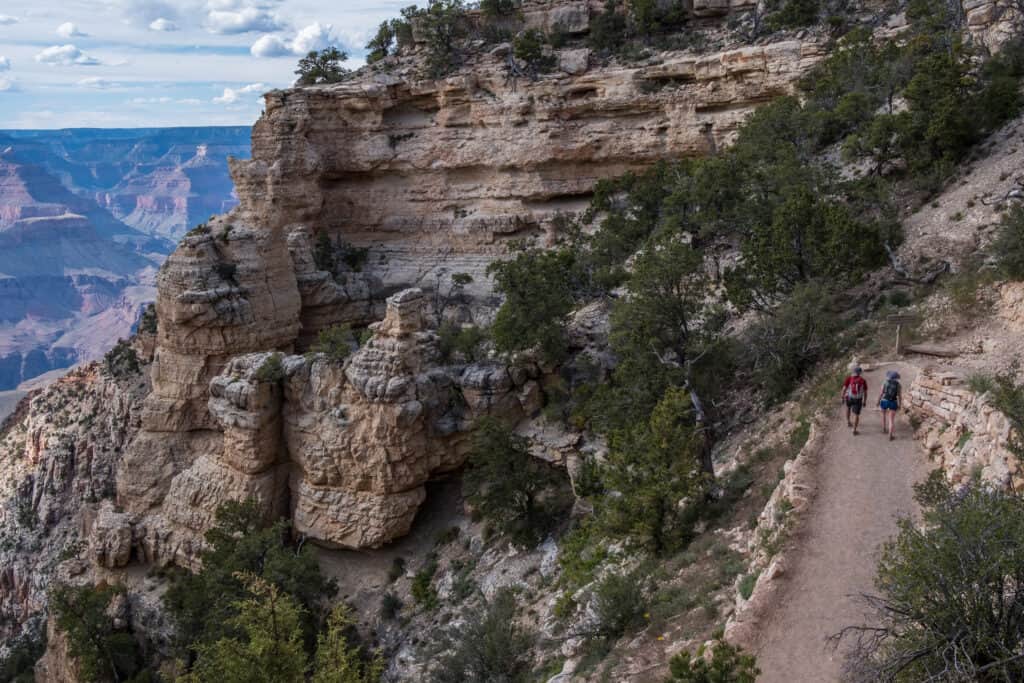
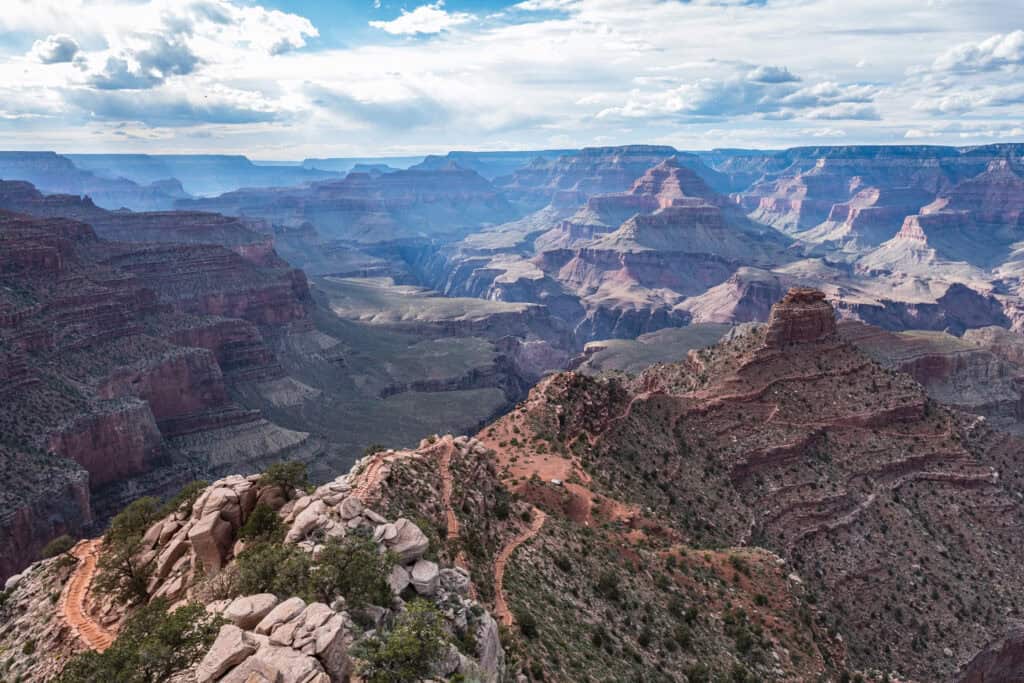
The South Kaibab Trail offers a striking journey through the Grand Canyon. As you embark on this hike, you start at the trailhead located at an elevation of approximately 7,260 feet. This trail stands out for its open ridgelines, which provide panoramic views of the canyon, making it a visually stunning trek.
Key Details:
- Length: 7 miles from the trailhead to the Bright Angel Campground.
- Elevation Loss: 4,780 feet.
- Expected Hike Time: 2 to 4 hours.
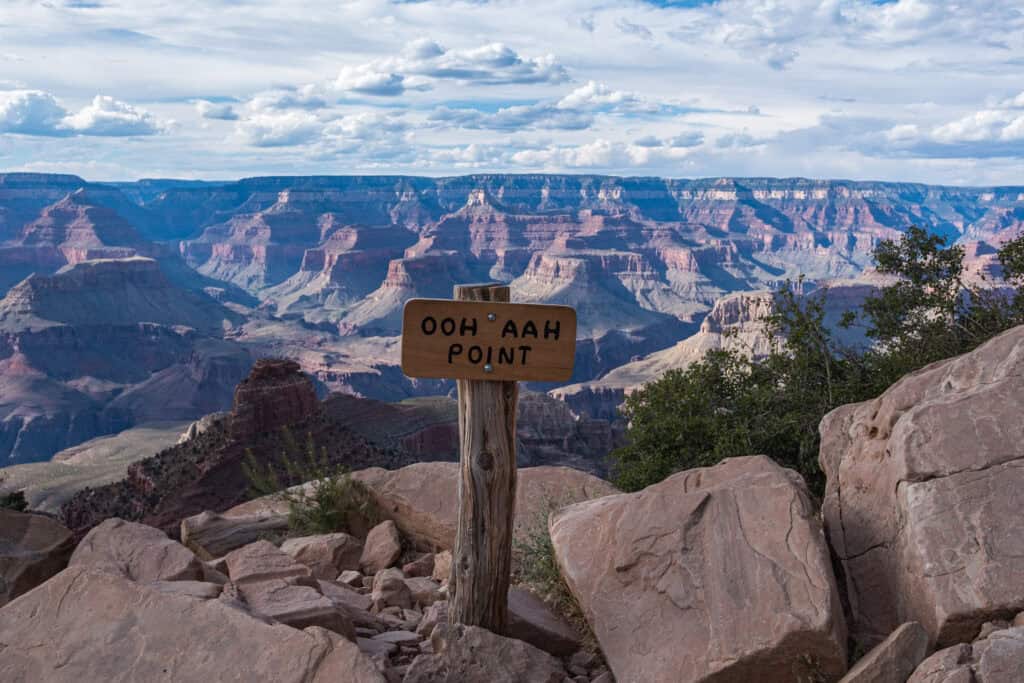
Along the trail, you encounter several landmarks. The first major point is Ooh-Aah Point, located at an elevation of 6,660 feet, which offers breathtaking views and a reassuring sense of progress. Continuing on, you reach Cedar Ridge, a popular rest spot before descending further into the canyon.
For those looking for a more challenging hike, the South Kaibab Trail can also be combined with other routes like the Bright Angel Trail for a varied experience. Always remember to prepare adequately, as the route is demanding and requires good physical fitness. Many hikers take the South Kaibab Trail down to the river, spend the night there and hike back via the Bright Angel Trail as its not as steep as the Kaibab.
Public transportation is available to reach the trailhead. Take the Orange Route Shuttle buse from the Visitor Center, with the first departure is generally at 6am though it can change depending on the season. Check the official schedule for more info. If you arrive outside of these hours, consider contacting Xanterra Taxi Service, (928) 638-2631, for alternative transport options.
Planning Your Hike
When planning a hike on the South Kaibab Trail in the Grand Canyon, timing, permits, and safety are crucial. Understanding the best seasons, knowing the regulations, and preparing for the trail’s challenges will ensure a rewarding experience.
Best Time of Year to Visit
The best seasons to explore the South Kaibab Trail are spring and fall. During these times, temperatures are milder, making the hike more comfortable. In spring, wildflowers add vibrant color to the landscape, while fall offers cooler temperatures and fewer crowds.
Summer can be extremely hot, with temperatures soaring above 100°F, which increases the risk of heat-related illnesses. It might be pleasant at the start but the temperature rises as you go down into the canyon. Winter presents its own challenges, including icy trails and cooler weather that may require additional gear. For those who decide on a winter hike, ensure you are well-prepared for cold conditions and possible snow or ice.
Permits and Regulations
For day hikes on the South Kaibab Trail, no permits are required. However, if you plan to camp or spend the night within the Grand Canyon, a backcountry permit is necessary. These permits can be obtained through the National Park Service and are subject to availability.
Compliance with park regulations is essential. This includes staying on designated trails and carrying out all waste. Check current conditions and any trail advisories before your hike, as weather and maintenance can affect trail accessibility. Remember that pets are not allowed on the trail, except for service animals, and must adhere to park policies.
Safety Considerations
Safety should be your top priority when hiking the South Kaibab Trail. The trail is steep and can be strenuous, so it’s essential to be in good physical condition. Carry enough water, as the trail lacks natural water sources, and dehydration is a serious risk.
Wear suitable hiking boots for the rocky terrain, and pack layers for temperature fluctuations. Inform someone of your plans and expected return time. Be mindful of wildlife, maintain a safe distance, and know how to handle encounters. Lastly, monitor weather conditions closely, as sudden changes can occur in the canyon.
Getting to the Trailhead
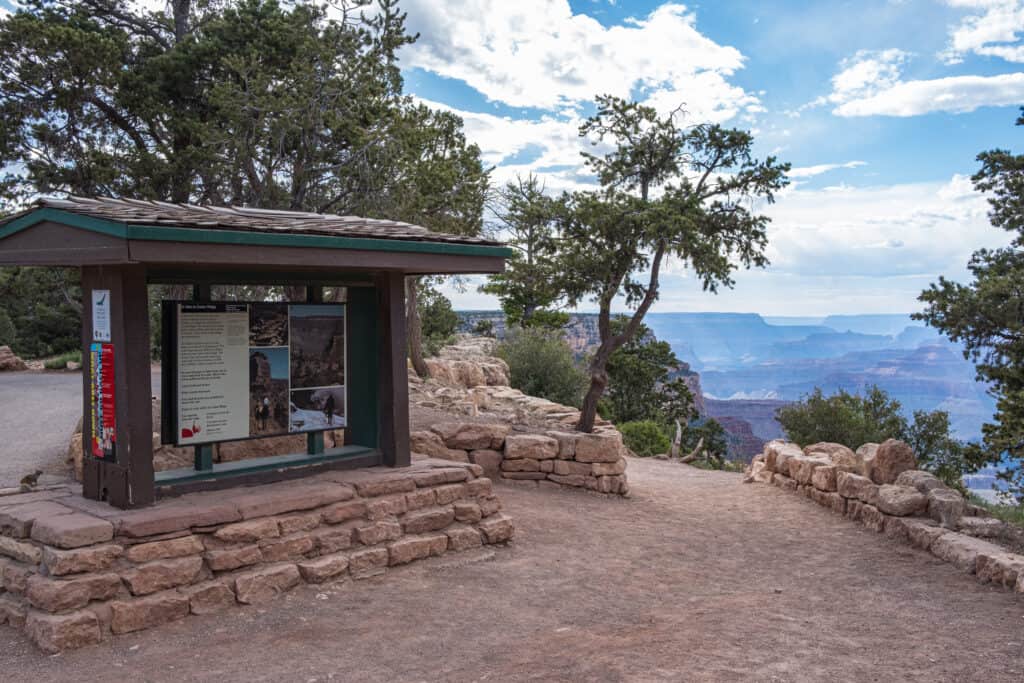
The South Kaibab Trailhead is a popular starting point for hikers exploring the Grand Canyon. Accessibility to this spot is made easy with the Kaibab Rim (Orange) Shuttle Bus, which operates regularly.
During the fall season, the shuttle runs every 15 minutes from 6:00 am until one hour after sunset.
The ride from the Grand Canyon Visitor Center to the trailhead takes about 9 to 10 minutes. Ensure you’re at the bus stop no later than an hour after sunset, as that’s when the last bus departs.
For winter months, shuttle service is slightly adjusted. It begins at 8 am and runs until 6 pm. If you need to reach the trailhead outside shuttle hours, consider contacting Xanterra Taxi Service at 928.638.2631 for alternative transportation.
It’s always a good idea to confirm transportation schedules before starting your journey. This ensures a smooth travel experience to and from the trailhead.
The Hike Itself
On the South Kaibab Trail, you’ll experience unique features and significant landmarks. The trail’s difficulty and critical elements make it a thrilling yet demanding journey for hikers.
Trail Description
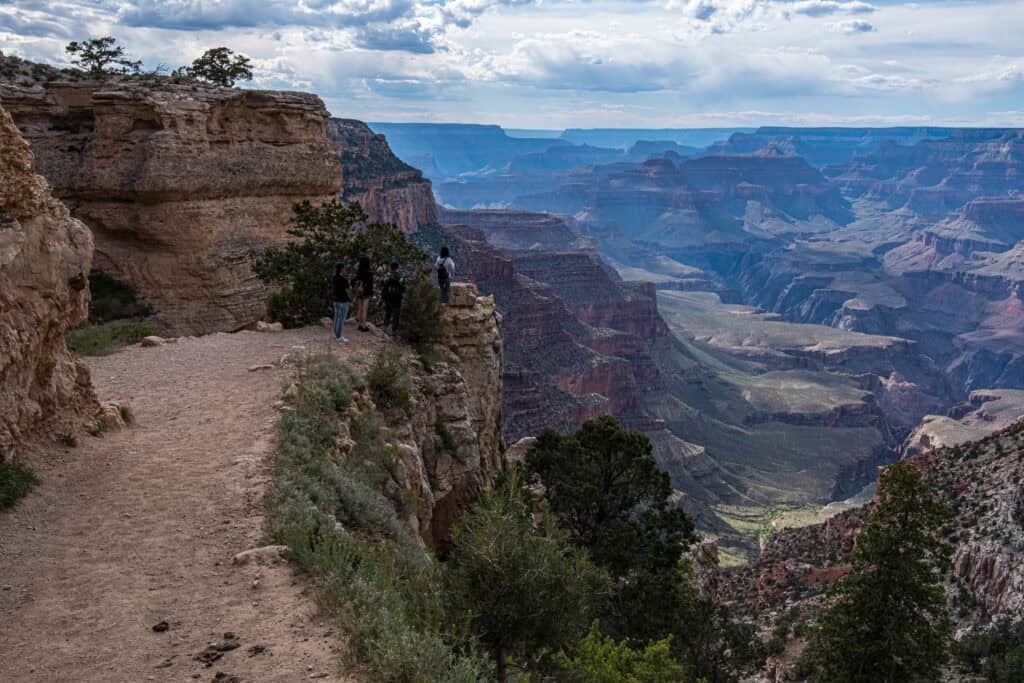
The South Kaibab Trail begins near Yaki Point and offers stunning, unobstructed views of the Grand Canyon. This route stretches over approximately 7 miles, descending steeply to the Colorado River. Unlike some other canyon trails, there are no water sources along this path, so it’s crucial to carry plenty of water. The trail is well-maintained but can be narrow and exposed, with switchbacks and ridges, providing hikers with breathtaking panoramic views. Due to its open nature, weather conditions can greatly influence your experience, particularly temperature and sunlight exposure.
Key Landmarks
As you hike down the South Kaibab Trail, several landmarks stand out. Ooh Aah Point offers the first stunning view and is a popular turnaround spot for those seeking a shorter hike. Next, you’ll find Skeleton Point, known for its expansive vistas into the canyon. Further along is the Tipoff, where the trail intersects with the Tonto Trail, providing pit toilets and an emergency phone. The journey culminates at the Colorado River, marking the trail’s endpoint. These points punctuate the trail with moments of incredible beauty and provide strategic rest stops for hikers.
Difficulty Level
The South Kaibab Trail is considered a challenging hike, demanding on both the ascent and descent. Due to its rapid elevation change, the trail requires a good level of fitness and preparation. Expect an elevation change of approximately 4,780 feet down to the river. The demanding incline, high altitude, and lack of water stations can be strenuous, particularly during the return climb. Beginners are advised to proceed with caution, and seasoned hikers will find the trail rewarding yet intense. Proper preparation with hydration, sun protection, and timing are essential for a safe and enjoyable hike.
Camping and Overnight Options
When exploring the South Kaibab Trail in the Grand Canyon, several camping and overnight options are available. You’ll have choices ranging from backcountry campsites that require permits to reservations at the historic Phantom Ranch.
Backcountry Campsites
For those looking to immerse themselves in the natural surroundings, backcountry campsites within the Grand Canyon offer a rewarding experience. Bright Angel Campground is the most accessible option along the South Kaibab Trail, situated near the Colorado River. To camp here, you need a backcountry permit, which must be requested in advance from the National Park Service. You can apply by mail, fax, or in person.
These sites provide basic amenities, such as potable water and restrooms, allowing you to spend the night under the stars. While planning your visit, it’s essential to carry adequate supplies and practice Leave No Trace principles to protect the environment. Pay attention to trail conditions and seasonal closures, especially during winter or maintenance periods.
Phantom Ranch Reservations
For a more structured overnight experience, Phantom Ranch offers rustic accommodations that require advance reservations. The lodge, located on the canyon floor near Bright Angel Campground, provides a unique opportunity to stay in cabins or dormitory-style lodgings. Due to its popularity, bookings at Phantom Ranch often need to be made more than a year in advance through a lottery system.
Staying at Phantom Ranch includes meals and basic facilities. This option allows you to experience the grandeur of the Grand Canyon with more comfort, making it ideal if you prefer not to camp. Be sure to confirm reservation details and any changes to services before your trip, especially since conditions can vary due to weather or operational updates.
Wildlife and Natural Features
When hiking the South Kaibab Trail, you encounter diverse wildlife and stunning natural features. The trail offers glimpses of unique flora and fauna while showcasing remarkable geological formations as you make your way through the Grand Canyon.
Flora and Fauna
As you walk along the South Kaibab Trail, you journey through ecosystems that host a range of plant and animal life. Cacti, shrubs, and hardy wildflowers are commonly seen, especially in the lower regions of the trail. These plants are adapted to the arid conditions, with some blooming brightly in spring.
Wildlife enthusiasts might spot bighorn sheep, which navigate the rocky terrain with ease. Mule deer and rock squirrels are often visible, along with an array of bird species like California condors and red-tailed hawks. These birds circle above, using the air currents for soaring. Remember to observe wildlife from a distance for your safety and theirs.
Geological Formations
The South Kaibab Trail is renowned for its dramatic geological formations. It meanders along ridgelines, offering expansive views of the Grand Canyon’s stratified rock layers. The exposed rock along the trail dates back millions of years, each layer representing different geological eras.
Skeleton Point is one notable location, providing a vantage point for a 360-degree view of the canyon. From this spot, you can see the intricacies of erosion that have shaped the canyon. The trail’s unique placement on a ridge rather than a canyon floor enhances your ability to appreciate these geological wonders.
Leave No Trace and Trail Stewardship
When you hike the South Kaibab Trail in the Grand Canyon, it’s crucial to practice Leave No Traceprinciples. These guidelines help preserve natural beauty and ensure a safe, enjoyable experience for all.
Key Principles:
- Plan Ahead and Prepare: Check weather forecasts, trail maps, and transportation details to minimize unexpected impacts.
- Travel and Camp on Durable Surfaces: Stick to marked trails and campsites to avoid damaging fragile landscapes.
- Dispose of Waste Properly: Carry out all trash, leftover food, and litter. Use provided facilities for human waste where available.
Leave What You Find: Preserve rocks, plants, and other natural objects to maintain the trail’s original state.
Minimize Campfire Impact: Use a camp stove for cooking. Fires can lead to scarring and disrupt ecosystems.
- Respect Wildlife: Observe animals from a distance. Never feed them, as human food can harm their health.
Be Considerate to Other Visitors: Keep noise levels low and yield to others on the trail. This consideration enhances everyone’s adventure.
Your role as a steward of the trail involves both following these principles and encouraging others to do the same. The Grand Canyon’s Corridor Trails provide diverse recreational opportunities, emphasizing the importance of preserving this shared space for future generations.
Photography Tips on the Trail
When you’re hiking the South Kaibab Trail, capturing the grandeur of the Grand Canyon is a must. Here are some tips to enhance your photography experience.
Golden Hours
Early morning and late afternoon provide warm, soft lighting that can bring the canyon’s colors to life. Aim to start your hike early or linger till late afternoon for the best shots.
Composition
Utilize the trail’s unique vantage points such as Ooh-Aah Point and Cedar Ridge. Frame your shots with the trail in the foreground to add depth. Capture the rugged textures and shadows of the canyon walls.
Gear Essentials
A lightweight tripod is beneficial for steady shots and low-light conditions. Bring a polarizing filter to reduce glare from rocks and enhance the sky’s hue.
Weather Conditions
Check the weather before setting out. Cloud cover can diffuse light beautifully, while clear days highlight the canyon’s vivid features. Be prepared for changing conditions.
Safety Precautions
Ensure you have a secure strap for your camera to prevent accidents on steep sections. Stay aware of your surroundings, especially when setting up shots near ledges.
Editing on the Go
Consider using a smartphone app to edit and share your photos swiftly. Minor tweaks like adjusting exposure or contrast can amplify your images before uploading.
The trail offers remarkable photo opportunities, each with its own lighting and compositional challenges. Taking these tips into account will help you capture memorable images of your journey.
Nearby Attractions
Exploring the South Kaibab Trail offers not just breathtaking views but also access to nearby attractions in the Grand Canyon. One of the closest attractions is the Grand Canyon South Rim, located just a few miles away. This area provides stunning vistas and several visitor facilities to enhance your canyon experience.
While visiting, you can also check out the Grand Canyon Visitor Center. It’s an educational hub providing information about the canyon’s geology, history, and wildlife. The center also has exhibits, maps, and advice on how to best enjoy your visit.
For those interested in extending their hiking adventure, consider the Bright Angel Trail. This trail is accessible from the south rim and offers a different perspective of the canyon. It’s a popular hiking trail known for its historic mule rides and scenic rest points.
Another point of interest is the Mather Point, known for its panoramic views. This spot is especially popular during sunrise and sunset, offering photographers and nature lovers a perfect backdrop.
The area also boasts several shuttle bus routes, making it convenient for you to explore these attractions without needing to navigate by car. For instance, the orange Kaibab/Rim route shuttle provides direct access to some of these key sites.
With these attractions nearby, your visit to the South Kaibab Trail becomes more enjoyable and memorable, offering a variety of experiences beyond hiking.
Frequently Asked Questions
When planning a hike on the South Kaibab Trail, it’s important to consider aspects such as the trail’s distance, difficulty level, and scenic points. Comparing it with the Bright Angel Trail and understanding specific points like Ooh Aah Point can also enhance your experience.
What is the distance of the South Kaibab Trail from the trailhead to Phantom Ranch?
The South Kaibab Trail spans approximately 7 miles from the trailhead to Phantom Ranch. This route requires careful planning, especially if you’re considering a round trip in one day. Spending the night at Phantom Ranch is often recommended for a more comfortable experience.
How difficult is the hike on the South Kaibab Trail?
This trail is considered challenging due to its steep and rapid descent into the Grand Canyon. It demands physical stamina and is recommended for experienced hikers. The high elevation change and lack of water along the way add to its difficulty.
What are the main stopping points along the South Kaibab Trail?
Key stopping points include Ooh Aah Point, Cedar Ridge, Skeleton Point, and The Tipoff. Each location offers unique views and serves as a rest stop. Ooh Aah Point, in particular, provides a popular vista shortly after starting the hike.
How does the South Kaibab Trail compare to the Bright Angel Trail in terms of difficulty and scenery?
The South Kaibab Trail is steeper and more direct, offering expansive views due to its ridge location. In contrast, the Bright Angel Trail provides more gradual inclines and has water available at certain points, making it more suitable for less experienced hikers.
What should hikers expect when trekking to Ooh Aah Point on the South Kaibab Trail?
Ooh Aah Point is an excellent destination for those seeking a shorter hike. Located about a mile into the trail, it offers breathtaking views of the canyon. It’s a reasonably accessible point, especially for those with limited time or less hiking experience.
What is the elevation change when hiking the South Kaibab Trail to Skeleton Point?
On your way to Skeleton Point, you’ll encounter an elevation change of approximately 2,100 feet. This section of the trail tests your endurance with its consistent downhill trek. The views are stunning and provide a great mid-point rest area before turning back or continuing onward.