Experience the breathtaking vistas of the Grand Canyon by exploring the Rim Trail located on the South Rim. This trail offers a unique opportunity to enjoy one of the most scenic and serene paths in the area, without the strenuous demands of hiking into the canyon. Stretching approximately 13 miles (21 km) from the South Kaibab Trailhead to Hermits Rest, the Rim Trail is mostly paved and accessible, providing stunning panoramic views at every turn.
Navigating the Rim Trail is straightforward, as it is well-marked and mostly flat, making it an ideal choice for hikers of all levels. As you meander along the canyon’s edge, you will encounter various vista points, each offering its own spectacular glimpse of the immense landscape. The trail’s accessibility means you can easily pick and choose sections to explore based on your interests and time constraints, providing a flexible adventure that spans from tranquil solitude to bustling vista points.
To make the most of your Rim Trail experience, planning ahead is essential. Understanding the trailheads, points of interest along the route, and available amenities can help you optimize your visit. With convenient access to water sources at Grand Canyon Village and Hermits Rest, you’re free to focus on soaking in the rugged grandeur of your surroundings without additional concerns.
Key Takeaways
- The Rim Trail offers a 13-mile accessible hiking experience with spectacular South Rim views.
- Most of the trail is flat and paved, catering to hikers of all skill levels.
- Planning and familiarizing yourself with the trailheads and points of interest will enhance your visit.
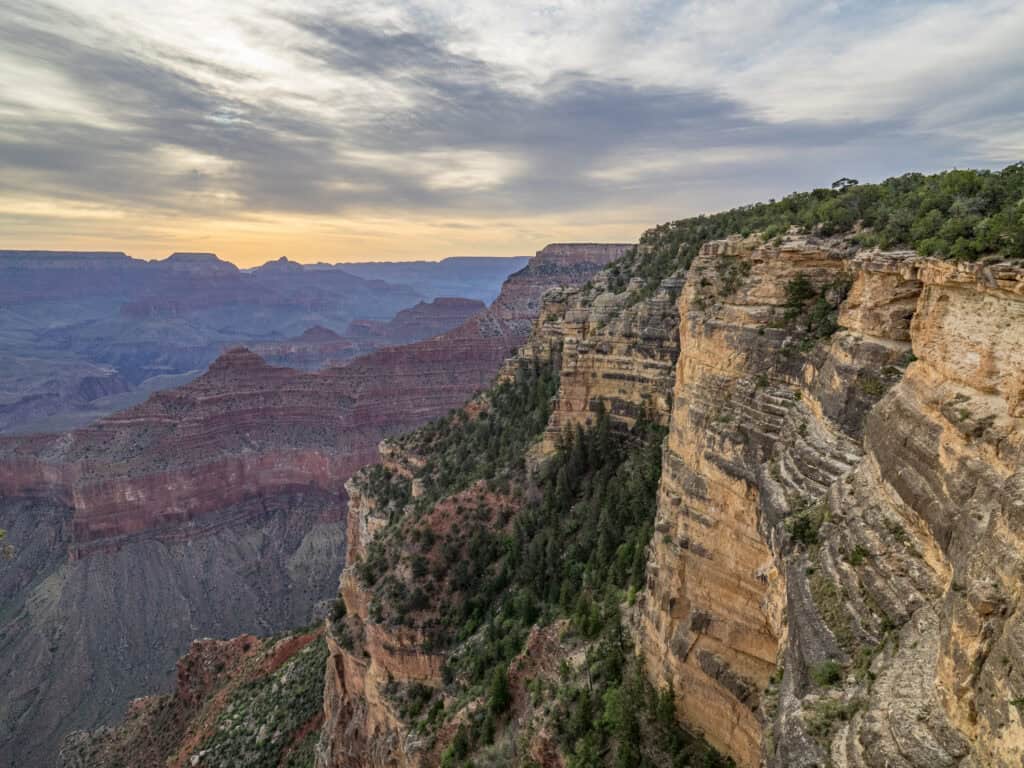
History of Rim Trail
The Rim Trail’s history reflects a journey of exploration and development, with significant enhancements over the years. This path has evolved from humble beginnings to an accessible trail that offers stunning views of the Grand Canyon.
Trail Development
Significant development of the Rim Trail began in the early 20th century. Entrepreneurs and enthusiasts sought improved access to the canyon’s South Rim, resulting in trail construction initiatives. The Grand Canyon Transportation Company played a key role in petitioning for routes that provided easier access. This period saw efforts to clear paths and create infrastructure catering to increased tourist visits. Development during these years established a sustained footpath for visitors, offering both shorter walks and longer hikes along the rim.
Modern Enhancements
In recent decades, the Rim Trail has benefited from numerous enhancements aimed at increasing accessibility and safety. Maintenance efforts have ensured the trail remains well-paved, and viewpoints have been improved for better visibility. Educational signage provides geological insights, helping visitors understand the natural history of the Grand Canyon. These enhancements have solidified the trail’s reputation as an inviting, accessible option for millions of annual visitors to explore the remarkable South Rim with ease.
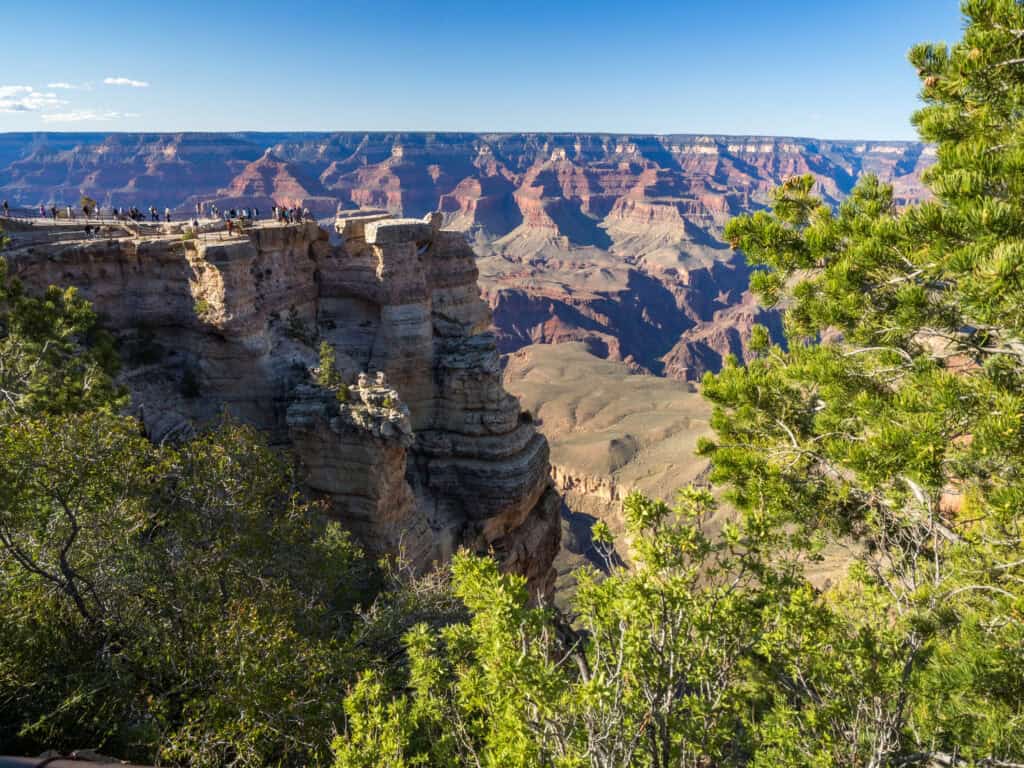
Trail Overview
The Rim Trail at Grand Canyon South Rim offers stunning vistas and a hiking experience suitable for all skill levels. You’ll find useful details about its location and its unique physical features.
Physical Characteristics
The Rim Trail is predominantly paved, which offers easy access for hikers of varying experience levels. The path follows a mostly flat terrain, making it an appealing choice for leisurely walks and family hikes. Key points along the trail offer awe-inspiring views into the canyon, with nine main scenic viewpoints that provide panoramic sights.
While the trail is generally considered easy, some sections may become more demanding due to elevation changes. Always prepare adequately by wearing appropriate footwear and bringing necessary supplies such as water and sunscreen. With proper preparation, you can fully enjoy the unique beauty of this iconic trail.
The trail’s accessibility is enhanced by its proximity to park amenities, ensuring that water, restrooms, and information centers are within reach. The geographical position provides diverse landscapes, showcasing the canyon’s grandeur and geological marvels.
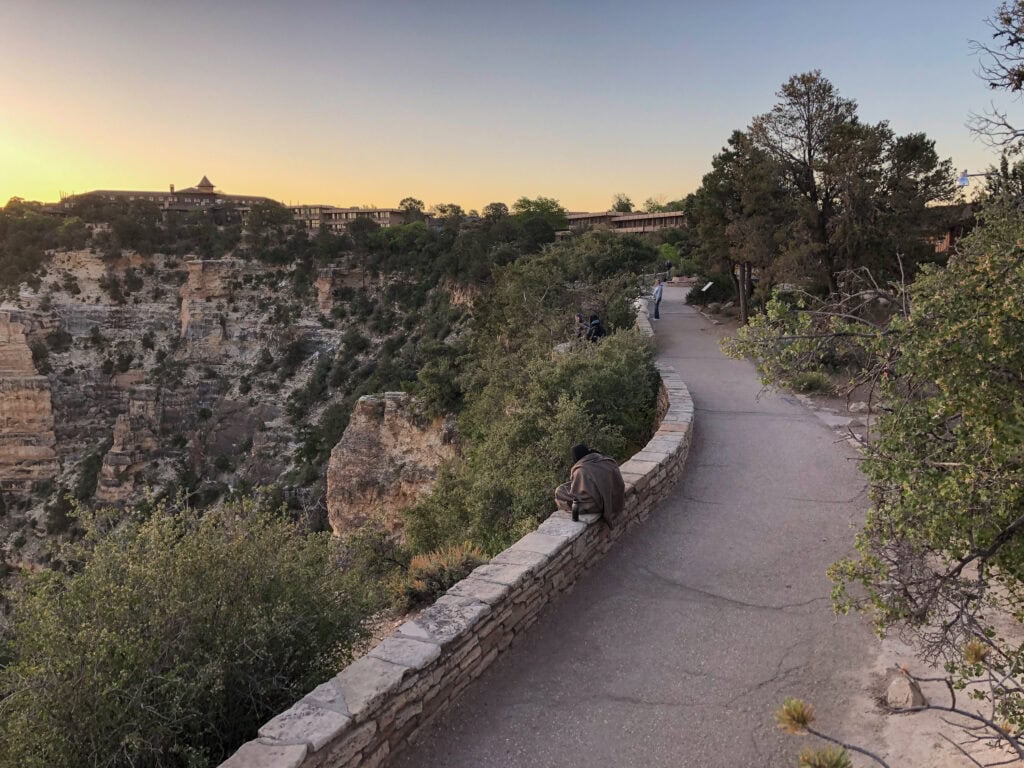
Planning Your Visit
For an enjoyable trip to the Rim Trail at Grand Canyon South Rim, consider timing, required permits, and safety needs. Each of these factors will ensure a smooth and memorable experience.
Best Time to Visit
Planning your trip to the Grand Canyon South Rim starts with choosing the best time of year. Spring and fall are ideal. March to May and September to November offer cooler temperatures and fewer crowds.
These months provide comfortable hiking conditions compared to the summer, which can bring extreme heat and crowds. Winter offers a quieter experience, though some facilities may have limited hours. Check the weather forecast closer to your trip and pack accordingly.
Permits and Fees
Entrance to the Grand Canyon National Park requires a fee. The standard vehicle fee is $35, covering all occupants for seven days. If you’re entering by foot or bicycle, the fee is $20 per person.
Consider purchasing an Annual Pass for $70 if you plan multiple visits. Generally, special permits are not needed for walking the Rim Trail. However, if you camp or plan a deeper hike, such as backcountry trips, additional permits are required.
Safety Considerations
Safety is paramount when visiting the Rim Trail. Carry ample water to stay hydrated, especially during warmer months. Sun protection is essential: use sunscreen, wear a hat, and bring sunglasses.
The trail’s elevation changes and scenic points can be deceptive. Avoid getting too close to the edge. Stay on marked trails and maintain a safe distance from the rim. Prepare for varying weather conditions and notify someone of your planned route and return time.
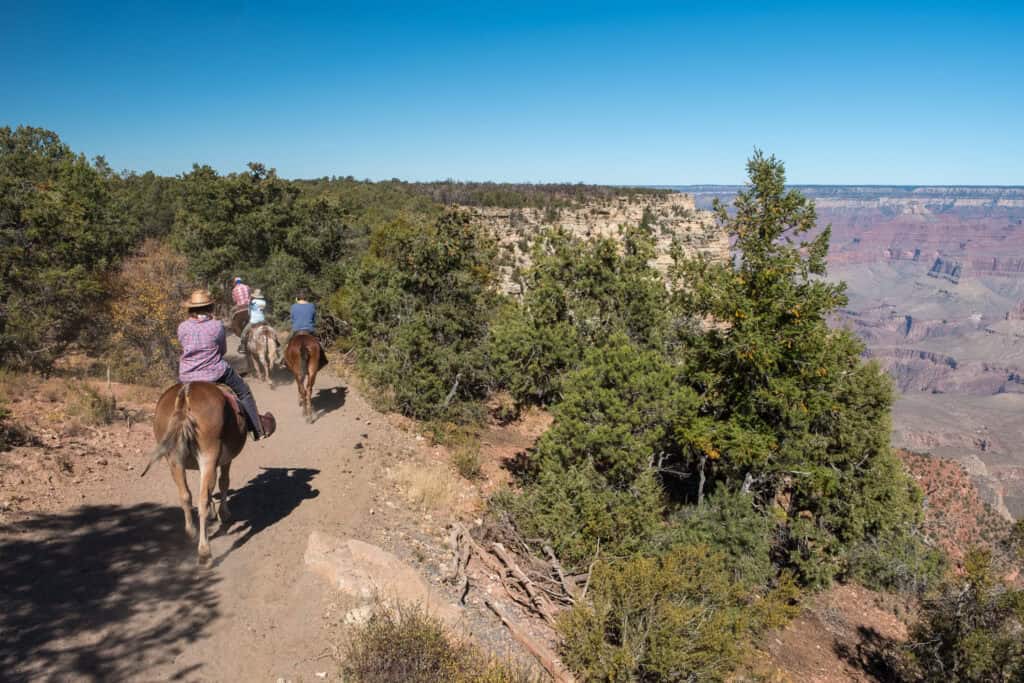
Navigating Rim Trail
The Rim Trail at the Grand Canyon’s South Rim offers a stunning path with breathtaking views and is accessible at various points along the way. With its manageable elevation changes, this trail is welcoming to hikers of different abilities.
Starting Points
The Rim Trail can be accessed from multiple locations, allowing flexibility depending on where you are staying or visiting. Grand Canyon Village is a popular starting point, with direct access and essential amenities. If you’re looking for a continuous experience, consider beginning at Hermit’s Rest and heading east. Alternatively, enable easier access to shuttle services by starting at other entry points such as Bright Angel Lodge or Mather Point.
Distance and Duration
The Rim Trail stretches approximately 7.1 miles from the Village Route Transfer to Hermit’s Rest. This distance can be tackled as one long hike or broken down into shorter segments. Being a relatively flat trail, it is suitable for a leisurely pace, often taking about 3-5 hours to complete in its entirety. Be sure to plan for extra time to stop at the numerous vista points for photos or relaxation.
Accessibility
Though most of the Rim Trail is paved, making it accessible to wheelchairs and strollers, certain sections do have grades too steep to meet ADA standards. You’ll find that popular segments near Grand Canyon Village are more accessible, with ample amenities and services. Accessible shuttles run frequently, providing an option to explore parts of the trail comfortably. Always check trail maps and accessibility indicators before setting out, especially if you’re planning with mobility considerations in mind.
Sights and Landmarks
Explore the Rim Trail at the South Rim of the Grand Canyon, where you’ll encounter stunning viewpoints and historic structures. These locations provide a glimpse into both the natural and historical significance of the area.
Major Viewing Areas
The South Rim is renowned for its breathtaking viewpoints. Along the Rim Trail, you can enjoy iconic spots like Powell Point and Yavapai Point. These areas offer some of the most spectacular vistas the canyon has to offer.
Visit Maricopa Point for a less crowded experience without compromising on the view. These points provide varied perspectives of the canyon, emphasizing depth and color that change throughout the day.
Don’t miss Mohave Point, known for unparalleled sunset views. This point offers a panoramic display of the canyon as the sun dips below the horizon. Information panels are available at several points to enhance your understanding of geological formations.
Historic Sites
Amidst the natural beauty, you’ll also find historical landmarks along the trail. El Tovar Hotel, built in 1905, stands as a testament to early 20th-century architectural style. It’s a great place to stop and sit on the swings on the back porch. Located near the head of the Bright Angel Trail, it offers both luxury and history.
At Grandview Point, remnants of mining activities from the late 1800s can be observed. These sites connect you to the canyon’s past, offering intriguing insights into early exploration and tourism. Historical signage provides context to these sites, enriching your visit with historical narratives.
Such landmarks blend seamlessly with the landscape, offering both awe and insight into the cultural tapestry of the Grand Canyon.
Accommodations and Amenities
Experiencing the Grand Canyon’s Rim Trail is complemented by convenient access to nearby lodging, dining, and rest facilities, ensuring a comfortable and enjoyable visit.
Lodging
When visiting the South Rim, you have a variety of lodging options. In-park accommodations are available at South Rim with lodges such as El Tovar and Kachina Lodge. These lodges offer rooms with features like partial canyon views, ensuring a unique experience.
Additional accommodations can be found just outside the park, including options in Tusayan, a short drive from the main entrance. Both areas book quickly, especially during peak seasons like summer and holidays, so early reservations are advisable.
Dining Options
Dining around the Rim Trail offers both convenience and quality. Almost all the places to eat are concentrated at the Grand Canyon Village spots like the Bright Angel Restaurant provide hearty meals with stunning views. You may choose from quick bites at casual eateries or more formal settings such as the El Tovar Dining Room. You can get some quick snacks at the end of the train at Hermits Rest
Rest Areas and Facilities
Rest areas along the Rim Trail are essential for a relaxing visit. Facilities include clean restrooms and water refill stations, ensuring you stay comfortable during your hike. Many rest stops offer shaded seating areas, ideal for a brief respite while enjoying the panoramic views.
Visitor centers and information booths along the trail are staffed with knowledgeable rangers to assist with any queries. Whether you need directions or help with planning your hike, these resources are readily available.
Activities and Experiences
When exploring the Rim Trail at Grand Canyon South Rim, you’ll encounter numerous activities and experiences, from hiking to educational opportunities and prime photography locations. Each provides a unique angle on the stunning landscape, enhancing your visit significantly.
Hiking and Walking
The Rim Trail offers an engaging and accessible experience for hikers. With a mostly paved path stretching about 13 miles, the trail is suitable for individuals of all skill levels. Key highlights include access to some of the canyon’s most breathtaking south rim viewpoints, such as Mather Point and Yavapai Point.
You can enjoy leisurely walks or more vigorous hikes, allowing you to appreciate the grandeur of the canyon at a comfortable pace. Benches situated along the trail offer spots to rest and take in the views.
Educational Programs
The South Rim features several educational programs designed to enrich your visit. Ranger-led programs are available throughout the year, providing insights into the natural and cultural history of the Grand Canyon. These programs often cover topics like geology, ecology, and the park’s unique wildlife.
Visitors can also explore museums and visitor centers along the Rim Trail. Yavapai Geology Museum is a must-visit, offering exhibits explaining the geological history of the Grand Canyon. Engaging displays and interactive materials make learning about the canyon’s formation both informative and fun.
Photography Hotspots
Photography enthusiasts will find the Rim Trail an excellent location for capturing the Grand Canyon’s beauty. Golden hour is a particularly magical time, casting warm light across the canyon’s vast expanses. Spots like Powell Point and Hopi Point are renowned for their panoramic views and dramatic lighting, especially at sunrise and sunset.
Consider using a tripod to stabilize your camera for long exposures, especially in low light. Remember to stay on designated paths and follow park rules to protect the landscape and ensure your safety. With the right preparation, your photos will capture the awe-inspiring essence of the Grand Canyon.
Flora and Fauna
As you explore the Rim Trail at the Grand Canyon’s South Rim, you’ll encounter a vibrant array of plant and animal life. The unique elevation and diverse environments support a rich tapestry of ecological variety worth discovering.
Native Plants
Along the Rim Trail, you’ll notice the diverse plant life that thrives in this unique environment. The dramatic 8,000-foot elevation change supports a wide range of vegetation. From hearty shrubs to towering Ponderosa pines, the plant life is varied and abundant.
The Grand Canyon also hosts several endemic plant species, which means they are found nowhere else on Earth. Look for juniper and pinyon trees as well as desert wildflowers that add color to the otherwise arid landscape.
Wildlife Sightings
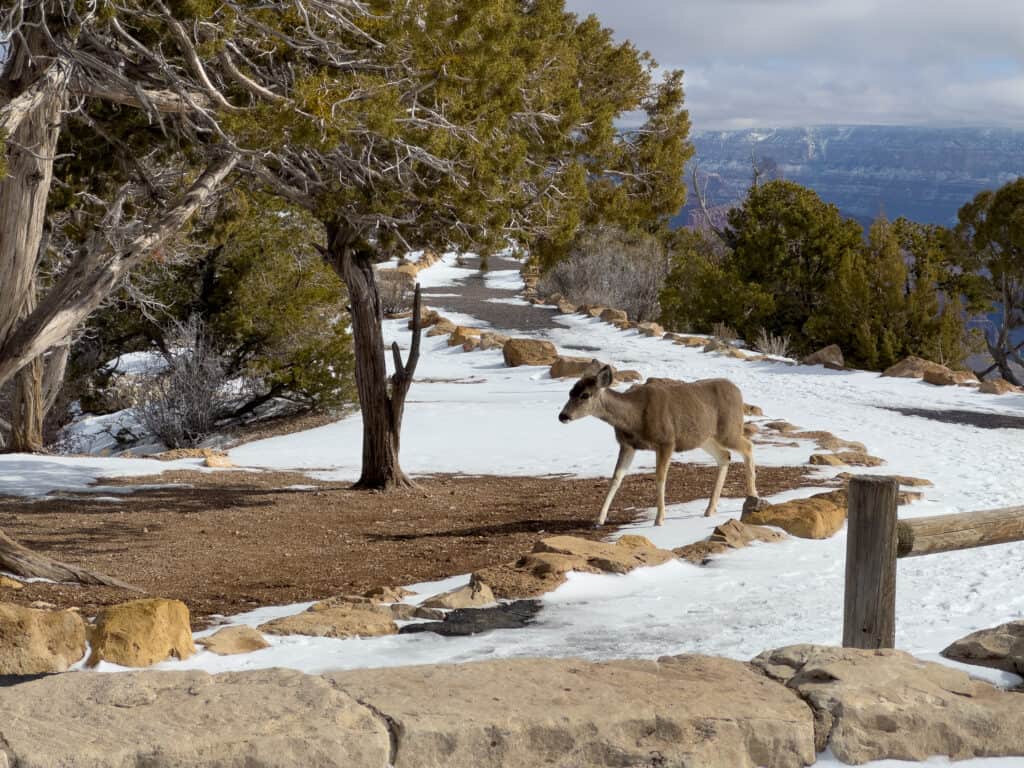
While traversing the trail, keep an eye out for the diverse wildlife inhabiting the South Rim. The area is home to 75 species of mammals, offering sightings of mule deer, bighorn sheep, and the lesser-seen mountain lions. Birdwatchers will be delighted by over 300 bird species, including the majestic California condor.
Reptiles and amphibians are also part of this ecosystem. Lizard species are fairly common, and you might encounter them basking on sunlit rocks. Always remember that these animals are wild, so maintain a respectful distance to ensure your safety and theirs. The chance to observe them in their natural habitat is a highlight of the Grand Canyon experience.
Conservation Efforts
Conservation at Rim Trail, South Rim, focuses on preserving natural beauty and managing the impact of millions of visitors. Efforts include initiatives that protect native flora and fauna alongside strategies to minimize human impact on this stunning landscape.
Preservation Initiatives
Efforts to preserve Rim Trail’s unique ecosystem include programs aimed at protecting native plant and animal species. You can observe strict guidelines for trail usage, which are vital for minimizing disruptions to wildlife habitats.
Important initiatives involve habitat restoration projects and invasive species control. These efforts are key in maintaining the ecosystem’s balance. Active research projects often guide strategic conservation decisions, ensuring long-term preservation of the park’s natural resources.
Visitor Impact Management
Managing the impact of millions of visitors is a crucial aspect of conservation at the Grand Canyon. You might encounter controlled access to sensitive areas, designed to reduce wear and tear on trails.
Educational programs inform visitors about responsible trail use and environmental protection. Volunteer opportunities allow you to participate in conservation activities, fostering a deeper understanding of your role in protecting natural heritage. Signage along the trails offers guidance on waste disposal and protecting wildlife, promoting low-impact hiking practices.
Getting There
Reaching the Rim Trail at Grand Canyon’s South Rim involves several transportation options and considerations for parking and accessibility. Understanding these factors can help you plan a smooth journey to this breathtaking destination.
Transportation Options
You can access the South Rim through various modes of transportation. If traveling by car, take Highway 64, which connects directly to the Grand Canyon Village. Amtrak provides train services to Flagstaff, from where you can catch a shuttle to the park. Several regional airports, including Phoenix Sky Harbor, offer rental cars and shuttle services to the South Rim.
Public transport includes the Arizona Shuttle from Flagstaff and Williams. Additionally, the Grand Canyon Railway offers a scenic journey from Williams to the South Rim, providing a unique travel experience. If you prefer organized tours, many operators offer packages that include transportation from major nearby cities.
Parking and Accessibility
Parking at the South Rim can be limited, especially during peak seasons. It is advisable to arrive early to secure a spot close to the trail. Several parking lots are available, including those near the Grand Canyon Visitor Center and the Backcountry Information Center.
The Rim Trail offers several paved sections, making it accessible for wheelchairs and strollers. Shuttle service within the park is frequent and can reduce the need for parking altogether. The park provides both accessible restrooms and shuttle buses to ensure a comfortable visit for everyone. Check maps and guides available at visitor centers for updated accessibility routes and potential road closures.
Trail Etiquette
While enjoying the Rim Trail at the Grand Canyon South Rim, following proper etiquette ensures a positive experience for everyone.
Stay on designated paths to protect the natural environment. This reduces erosion and preserves flora and fauna.
Leave no trace: Carry out all trash, even biodegradable waste like fruit peels. Pack everything in and out to keep the trail clean.
If you encounter wildlife, view from a distance. Feeding or disturbing animals can harm their natural behaviors.
Using electronics? Keep phone conversations brief and music at a low volume or use headphones. The natural ambiance is part of the hike’s charm.
Be courteous with group sizes. Allow enough space for others to pass easily. Gather in safe areas without obstructing the path.
Respect quiet zones: Some trail areas are specifically for reflection and serenity. Keep voices low to maintain the peaceful atmosphere.
Lastly, be prepared with adequate water and appropriate gear. Your preparedness impacts not only your experience but also that of fellow hikers if emergencies arise.
Fostering respect and courtesy helps everyone enjoy the wonder of the Grand Canyon.
Additional Information
Trail Length: The Rim Trail extends approximately 13 miles from the South Kaibab Trailhead to Hermits Rest. Most of this trail is fairly level, making it accessible for many hikers.
Trailheads: You can start the Rim Trail from various points, including the Grand Canyon Village and multiple shuttle bus stops along the Hermit Road and Yavapai Point.
Elevation: The trail sits at an elevation of about 6,820 feet, with minor variations of up to 200 feet. This relatively stable elevation contributes to its accessibility. The only big hill is from the beginning of Hermit Road in the village to the Trail View Overlook. Many people take the bus from the village and walk back along the trail.
Trail Surface: Much of the Rim Trail is paved. Yet, some areas feature steep grades that may not meet ADA standards. Be prepared for these sections if accessibility is a concern.
Scenic Vistas: Numerous overlooks provide spectacular views of the Grand Canyon. The trail’s path includes both well-marked and more obscure viewpoints that offer enriching perspectives.
Water Availability: No water is available directly along the trail. Ensure you fill your bottles in the Grand Canyon Village or Hermits Rest before you begin your hike.
Operating Hours: The trail and the surrounding park remain open 24 hours a day. Hiking during different times of the day offers varied and unique experiences, including stunning sunrise or sunset views over the canyon.
Safety Tips: Due to the absence of water along most of the trail, it’s crucial to carry sufficient water, especially in the hotter months. Wear sun protection and comfortable footwear appropriate for the terrain.
Frequently Asked Questions
When exploring the South Rim Trail at the Grand Canyon, you might have questions about difficulty levels, starting points, scenic views, accessibility, and noteworthy landmarks. This guide provides answers to some of the most common inquiries.
Can you provide the difficulty level of the South Rim Trail?
The South Rim Trail is considered easy to moderate. It spans about 13 miles with a minimal elevation gain of approximately 200 feet. This makes it relatively flat in many sections, appealing to a wide range of hikers.
Where does the South Rim Trail at the Grand Canyon begin?
For most people the trail begins at Grand Canyon Village, close to the Bright Angel Hotel. From here, it extends westward towards Hermits Rest and eastward to the South Kaibab Trail Head. You’ll find it conveniently accessible from various points within the village.
Which part of the South Rim Trail offers the most scenic views?
While the entire trail offers stunning vistas, many visitors favor the section between Maricopa Point and Hopi Point for panoramic canyon views. This stretch provides breathtaking sights of the canyon’s depth and grandeur.
Is the South Rim Trail accessible to all fitness levels?
Most sections of the trail are accessible to individuals of varying fitness levels. The path is largely paved and offers numerous resting spots. However, certain portions are steep, so it’s best to assess your comfort level.
What are the main landmarks to look out for along the South Rim Trail?
As you walk the trail, keep an eye out for landmarks such as Maricopa Point, Hopi House, and the iconic views from Mather Point. These spots offer excellent photo opportunities and a deeper appreciation of the canyon’s natural beauty.