Exploring the majestic Grand Canyon often leads adventurers to the renowned Bright Angel Trail. This iconic hiking route offers breathtaking views, winding from the South Rim down to the Colorado River. It is celebrated for being one of the most popular and accessible trails within the park, offering both casual hikers and avid trekkers an unforgettable journey into the canyon’s depths.
This trail stands out not only for its stunning vistas but also for the historical significance woven into its path. Initially used by the Havasupai people, it later became a key route for explorers and tourists alike. Each twist and turn reveals layers of geological wonder, while the diverse flora and fauna add to the richness of the experience. As you tread these paths, you’re not just walking through a canyon; you’re stepping into a vibrant tapestry of history and nature.
With its mix of steep switchbacks and shaded areas, the trail demands respect yet invites exploration. Crucial amenities like water stations and resthouses make it accessible, but it’s essential to prepare adequately for the journey. Embrace the adventure that Bright Angel Trail promises, ensuring it becomes a story you’ll cherish and share for years to come.
Key Takeaways
- Bright Angel Trail offers iconic views and accessibility.
- Historically significant with rich geological features.
- Provides necessary amenities for an adventurous hike.
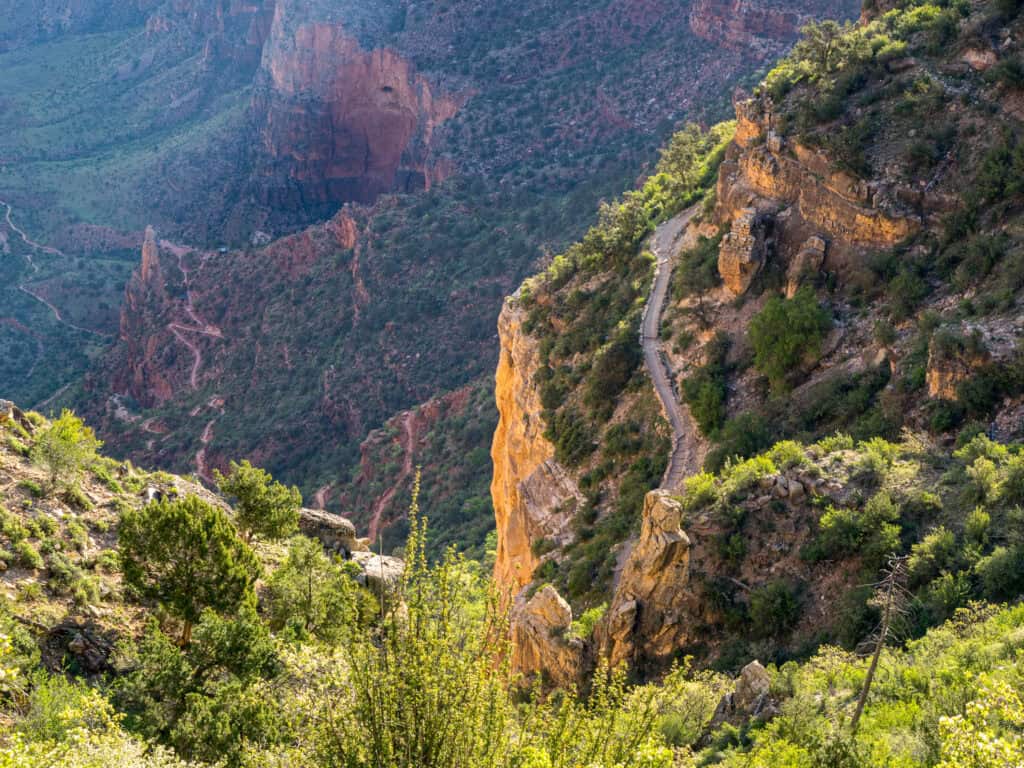
Trail Description
Bright Angel Trail offers a captivating journey through the Grand Canyon, starting from the South Rim and descending to the edge of the Colorado River. With scenic vistas and notable landmarks, it provides both challenges and rewards for hikers.
Starting Point and Route
You begin your adventure at Grand Canyon Village on the South Rim,. The trailhead is conveniently located at the start of the Hermit road, making it accessible for both day hikers and those planning longer excursions. This well-maintained path follows the line of a fault, which gives it a relatively gentle grade compared to some other trails in the canyon.
Expect an average descent grade of about 10%, allowing you to focus more on soaking in the views rather than navigating steep drop-offs. The trail’s proximity to basic services makes it an inviting option for newcomers and seasoned hikers alike.
Key Landmarks Along the Trail
As you make your way down, you’ll encounter several rest houses, each serving as a checkpoint for rest and hydration. The Three Mile and Indian Garden Resthouses offer water seasonally, providing essential respite along your journey.
Havasupai Gardens is a lush oasis and a highlight for many—a testament to the canyon’s unexpected pockets of life. The contrast between this greenery and the rugged landscape emphasizes the unique geology of nearly two-billion-year-old rock formations you pass along the way.
End Point and Colorado River Access
Your descent concludes dramatically as you reach the Colorado River, marking a significant milestone in your hike. This point allows you to connect with the natural power of the river, a force that has shaped the canyon over millennia. The trail’s meticulous maintenance ensures a safer and more enjoyable experience even as you navigate this rugged final segment.
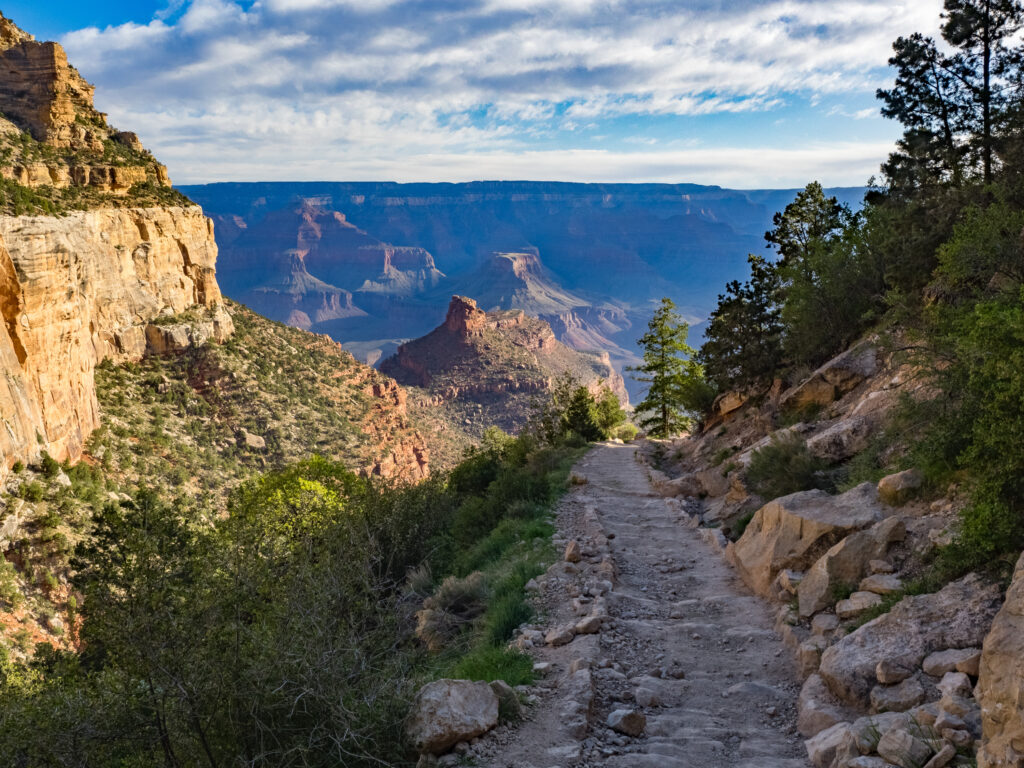
History of Bright Angel Trail
The Bright Angel Trail, a prominent pathway in the Grand Canyon, has a rich history shaped by Indigenous Peoples, European settlers, and trail enhancements in the 20th century. Each phase contributed significantly to making it the popular trail it is today.
Early Native American Use
The trail was originally utilized by the Havasupai and other Native American tribes. They constructed the pathways leading into the canyon to reach essential resources like water and fertile land for farming. For these communities, trails like Bright Angel were lifelines, facilitating trade and communication.
Over centuries, Native Americans established numerous trails in the Grand Canyon. Bright Angel Trail enabled seasonal migration, allowing tribes to adapt to changing weather conditions by moving between rims and the canyon floor.
Development by European Settlers
In the late 19th century, miners began developing the trail further, motivated by the prospect of extracting valuable minerals from the canyon. In 1891, miners improved the path and eventually charged a toll for its use. The trail’s significance evolved as tourism increased, attracting more visitors to its rugged landscapes.
Ownership of the trail was contested for many years. Between 1901 and 1928, the Santa Fe Railway, private citizens, and government officials vied for control, reflecting its growing importance and potential for economic gain. Control finally passed to the National Park Service, securing its preservation and public access.
Trail Enhancements in the 20th Century
The 20th century brought further developments to Bright Angel Trail, largely due to efforts by the National Park Service. By 1919, the National Park Service prioritized making the trail a main avenue for explorers through enhancements like the construction of the South Kaibab Trail.
Significant improvements included the addition of modern amenities such as resthouses, vault toilets, and water stations, particularly during the summer months. These upgrades increased both safety and accessibility, ensuring that the trail remains a well-maintained path accommodating hikers of various skill levels. Regular maintenance and ranger presence further underscore its reputation as a safe hiking destination.
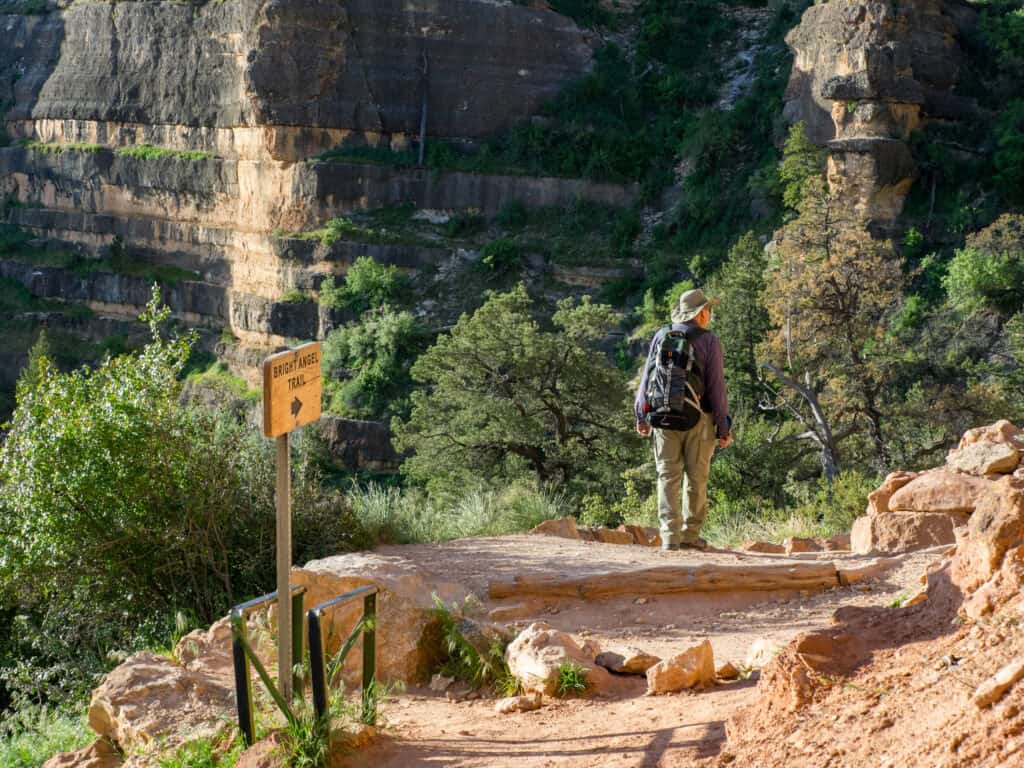
Geology of the Grand Canyon
As you explore the Grand Canyon, you’ll encounter its fascinating geological structure, composed of distinct rock layers that narrate the Earth’s ancient history. These formations reveal how natural forces like erosion shaped the vast landscape over millions of years.
Rock Layers
The Grand Canyon’s geology features a sequence of rock layers, such as the Vishnu Schist, Bright Angel Shale, and Kaibab Limestone. Each layer represents different geological periods. For instance, the Vishnu Schist is among the oldest, dating back over 1.7 billion years, while the Kaibab Limestone formed around 270 million years ago. Some formations like the Bright Angel Shale are known for their fossil content, offering clues about ancient marine environments. The varied colors and textures of these layers contribute to the canyon’s dramatic vistas, making it a unique geological spectacle.
Erosion and Formation
Erosion plays a crucial role in shaping the Grand Canyon’s rugged beauty. The Colorado River, cutting through the rock over millions of years, carved out the canyon, revealing underlying geological layers. Wind and water erosion further sculpted the landscape, forming cliffs and valleys. This dynamic process is ongoing, continually altering the canyon’s appearance. Understanding these erosional forces offers insights into broader geological processes and helps explain the canyon’s formation. Such natural transformations have made the Grand Canyon not just a visual marvel but also a profound geological case study.
Flora and Fauna
Bright Angel Trail in the Grand Canyon is home to an impressive variety of plant and animal species. You will encounter diverse plant life due to varying elevations and discover richly inhabited wildlife habitats along this famous trail.
Plant Life
As you explore Bright Angel Trail, you’ll notice a diverse range of vegetation. The high elevation areas boast desert scrub communities, while lower elevations are home to cacti and shrubs. Approximately 1,737 species of vascular plants thrive in the Grand Canyon, alongside 64 species of moss and 195 species of lichen. The elevation change of 8,000 feet from the river to the North Rim encourages this botanical diversity.
Along the trail, watch for endemic plant species uniquely found in the Grand Canyon. These include special flowers and shrubs that have adapted over time to the challenging environment. The blend of various plant species at differing altitudes adds to the ecological richness of your journey.
Wildlife Habitats
Bright Angel Trail is rich with wildlife, offering chances to observe a spectrum of animal life. You might see mule deer grazing or catch sight of bighorn sheep navigating rocky terrains. Bird enthusiasts will find a variety of species, including the striking blue-throated hummingbird and the swift peregrine falcon.
These animals rely on the diverse habitats created by the canyon’s unique geology. Shifts in elevation contribute to distinct climate zones, fostering a range of habitats. Each zone supports specific wildlife adapted to its special conditions, making your hike an excellent opportunity for wildlife observation. The variety you encounter is a testament to the adaptive skills of the animals residing in this rugged landscape.
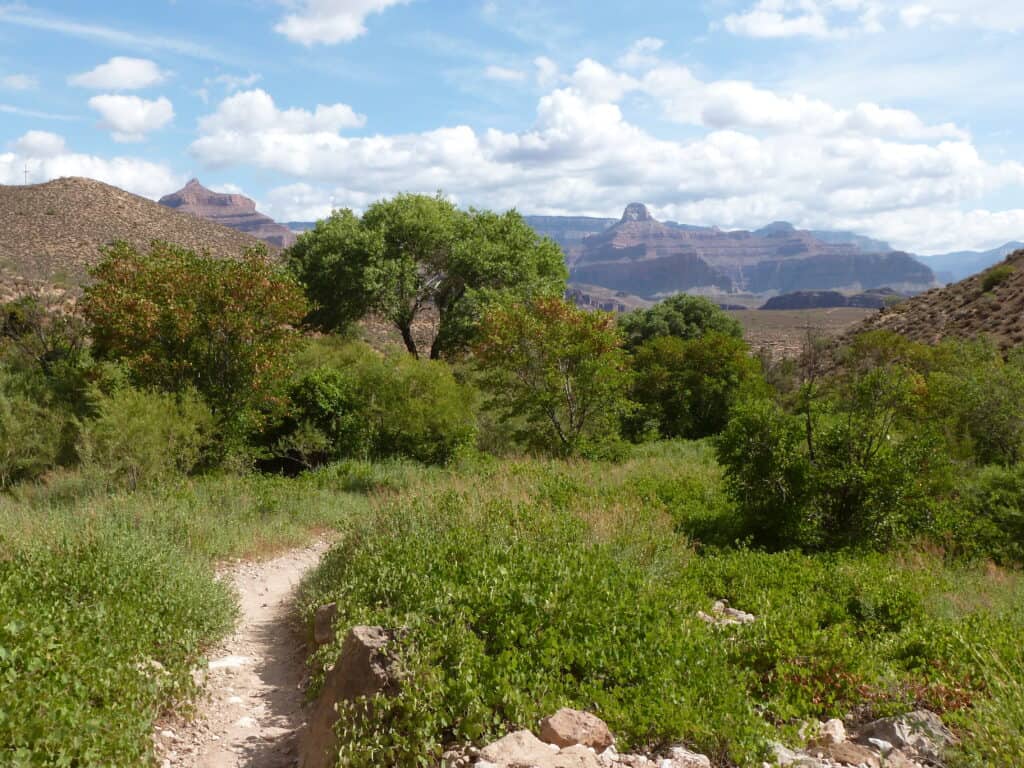
Hiking the Bright Angel Trail
Hiking the Bright Angel Trail in the Grand Canyon requires careful preparation to ensure a safe and enjoyable experience. Different seasons present unique challenges and opportunities, and being aware of the trail’s amenities can enhance your journey.
Preparation and Safety Tips
Be ready for a strenuous hike. The trail covers approximately 15.6 miles round-trip with an elevation change of 4,285 feet. Adequate preparation is essential. Ensure you have enough water, high-energy snacks, and appropriate clothing. Dress in lightweight, breathable layers to adapt to temperature changes. Most people do not plan on hiking to all the way to the river.
Check weather conditions before your hike. Summer can be intensely hot, while winter may bring icy spots. A detailed trail map and a first-aid kit should be in your backpack. In case of an emergency, being knowledgeable about the trail and your physical limits is crucial.
Seasonal Hiking Considerations
The best times to hike are in spring and fall, as temperatures are moderate. During summer, the heat can be extreme, and certain sections lack shade. Carry extra water and take breaks frequently to avoid heat exhaustion.
The North Rim of the Grand Canyon closes in winter, but the South Rim remains accessible year-round. Be aware that trails can become icy and slippery during winter months. Safety equipment such as crampons can provide extra traction. Always notify someone of your hiking plans regardless of the season.
Rest Houses and Water Availability
Rest houses are strategically located along the trail, offering hiking breaks and shade. Available at certain points are drinking water, especially during summer. The trailhead begins near the Bright Angel Lodge, equipped with parking and restroom facilities.
Plan your rest stops according to your pace. The natural beauty of the trail can make these pauses refreshing—capture some memorable photos. Always be prepared, as water availability can vary depending on maintenance or seasonal factors. Ensure you have backup water options, such as a filtration device or purification tablets.

Conservation Efforts
Bright Angel Trail at Grand Canyon National Park is not only a historic pathway but also a focus of ongoing conservation initiatives. These efforts are crucial for both maintaining the trail’s condition and safeguarding the surrounding environment’s integrity.
Trail Maintenance
Trail maintenance on Bright Angel Trail is essential to ensure a safe and enjoyable hiking experience. Regular upkeep involves addressing erosion, which is a constant challenge in the canyon’s environment. Workers reinforce trail switchbacks and drainage channels to minimize water damage.
Resthouse areas along the trail are equipped with amenities like water stations and vault toilets. Such rest points not only provide comfort for hikers but also reduce the environmental impact of human presence, as they help manage waste and minimize littering.
Protecting the Natural Environment
Protecting the natural environment along the trail is critical. The surrounding ecosystems are home to diverse flora and fauna, requiring careful management to avoid disruption. Restricting off-trail hiking helps preserve delicate plant life and habitats.
Efforts include educating visitors about the importance of staying on marked paths and respecting wildlife. Conservation programs also aim to rehabilitate areas impacted by human activity, ensuring that the landscape remains pristine for future generations. Active collaboration with local Indigenous communities, such as the Havasupai, highlights a commitment to honoring cultural connections to the land.
Visitor Information
When planning a visit to the Bright Angel Trail, it’s essential to be aware of permit requirements, tour options, and nearby accommodations. Each aspect plays a crucial role in ensuring a smooth and enjoyable hiking experience.
Permits and Fees
To hike the Bright Angel Trail, permits are required for overnight trips below the rim. You can obtain these permits through the Backcountry Information Center. Applications should be submitted well in advance, as demand is high, especially during peak seasons.
Day hiking does not require a permit, but there is a park entrance fee. The fee is $35 per vehicle, valid for seven days, which also grants access to other trails and attractions within Grand Canyon National Park. It’s advisable to carry exact change if paying cash at self-service stations.
Guided Tours
For those seeking an immersive experience, guided tours offer insight into the canyon’s natural and cultural history. These tours are led by knowledgeable guides who can enhance your understanding of the landscape and its significance.
Various tour companies operate in the area, providing options from short hikes to longer, multi-day excursions. Guided tours often include transportation, meals, and gear, making them a convenient choice if you prefer a structured experience. Bookings should be made in advance, especially during the busy season to secure your spot.
Lodging and Amenities near the Trailhead
Convenient lodging options are available near the Bright Angel Trailhead, ensuring easy access to the trail. The historic Bright Angel Lodge offers rustic accommodations and is a popular choice for its proximity.
Amenities such as restaurants, gift shops, and convenience stores are located within the lodge and nearby. Advanced reservations are recommended due to high demand throughout the year. Campgrounds nearby, accessible through a permit, offer an alternative for those preferring to stay closer to nature.
Ensuring you have a reservation beforehand is crucial, especially during peak seasons, to secure your spot and fully enjoy the natural beauty of the Grand Canyon.
Frequently Asked Questions
The Bright Angel Trail in the Grand Canyon is popular for its breathtaking views and challenging hikes. It’s essential to know details like the trail’s difficulty, camping options, and the facilities available for a smooth experience.
What is the difficulty level of the Bright Angel Trail?
The Bright Angel Trail is generally considered a challenging hike. It offers a steep descent into the canyon with considerable elevation changes, so prepare for a strenuous journey. Proper preparation is crucial to ensure a safe and enjoyable hike.
Can you camp along the Bright Angel Trail?
Camping is allowed at designated campgrounds along the trail. The most popular spots are Indian Garden and Havasupai Gardens. Reservations are necessary, and permits must be obtained in advance due to high demand.
What are the parking facilities like at the Bright Angel Trailhead?
Parking near the Bright Angel Trailhead is limited. Consider using the free shuttle services provided by the park, which run frequently from major lodges and visitor centers. This helps manage traffic and protect the natural environment.
What is the distance of the Bright Angel Trail from the South Rim to the river?
From the South Rim to the Colorado River, the Bright Angel Trail covers approximately 9.5 miles. This distance challenges hikers with substantial elevation changes and requires careful planning and sufficient supplies.
How long typically does it take to complete a hike on the Bright Angel Trail?
Hiking times vary based on fitness levels and weather conditions. A round trip to the river and back can take about 15 hours or longer. Plan for breaks and account for the added difficulty on the way back up. Most people plan on one day to go to the Colorado River and two days to return. Make sure you get a permit for camping.
What is the elevation change when hiking the Bright Angel Trail?
The trail has an elevation change of about 4,800 feet from the South Rim to the river. This significant drop requires you to pace yourself and be mindful of the physical demands. Consider the altitude and temperature changes that can impact your hike.